
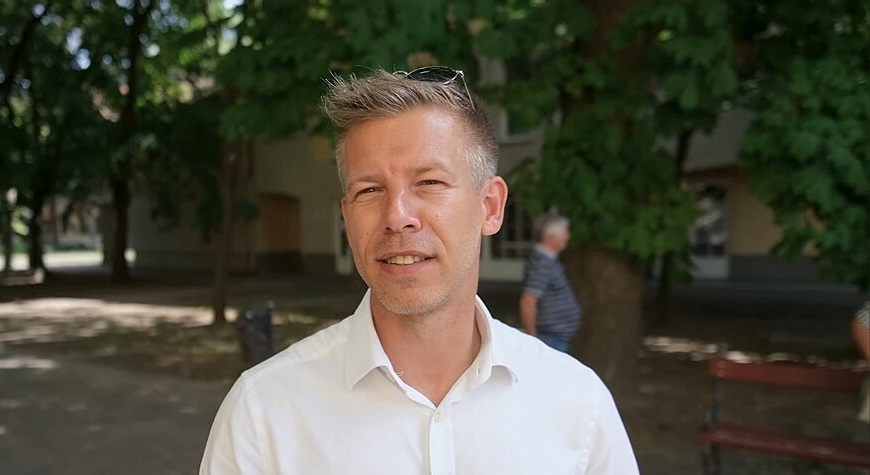
Hungary is navigating a phase of political and constitutional flux following the recent electoral defeat of long-standing Prime Minister Viktor Orbán, paving the way for Péter Magyar’s leadership. With Orbán’s 16-year rule concluded, Magyar’s administration is swiftly acting to overhaul pivotal state institutions, with intentions to dismiss the nation’s president. This move aligns with a broader strategy to dismantle what it perceives as a deeply rooted system of illiberal governance.
Riding on the strength of a parliamentary supermajority, the new government is contemplating constitutional amendments that target institutions entrenched during the former administration. Advocates of these reforms argue they are crucial for reinstating democratic checks and balances and fortifying the rule of law. The proposed changes aim to correct what supporters view as structural imbalances left by the previous leadership.
However, the direction Magyar’s government is taking has ignited considerable debate among legal scholars and political commentators. Opponents caution that leveraging a substantial parliamentary majority to modify constitutional frameworks could establish a dangerous precedent, potentially enabling future administrations to alter fundamental rules for their political gain.
The controversy may escalate if Hungary’s judicial bodies throw their support behind the current president, setting the stage for a potential constitutional clash between the executive and judicial branches. This situation underscores a significant dilemma for Hungary: whether the proposed reforms signify a necessary departure from the Orbán era’s political legacy or if they risk introducing new complications for democratic governance and constitutional integrity.
As the government presses forward with its reform agenda, the developments are poised to have a lasting impact on Hungary’s political environment and its institutional architecture, influencing the nation’s future for years ahead.