
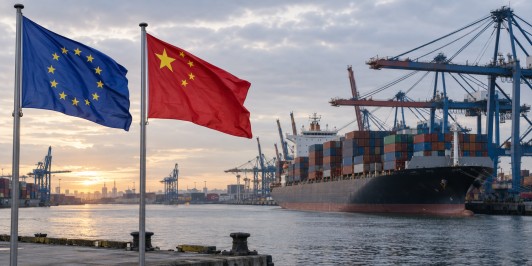
The European Union is grappling with a significant trade imbalance with China, as the trade deficit between the two economic powers reached €36.5 billion in July 2026. This widening gap underscores ongoing concerns over the EU’s heavy reliance on Chinese imports, particularly as Europe imports nearly three times more goods from China than it exports.
According to data from Eurostat, EU imports from China experienced an 8% increase year-on-year, amounting to €53.9 billion in July. In contrast, EU exports to China saw a decline of 1.6%, totaling just €17.4 billion for the same period. The trade deficit for July 2026 represents a substantial rise from the €32.3 billion deficit recorded in July of the previous year.
From January to July 2026, the accumulated trade deficit with China stood at approximately €234 billion. This growing disparity has prompted European officials to consider strategic measures aimed at rebalancing the economic relationship. Potential strategies include imposing targeted restrictions on imports in key sectors like hybrid vehicles and chemicals.
The surge in hybrid vehicle imports from China is particularly notable, as these have sharply increased since the EU introduced additional tariffs on Chinese electric vehicles in 2024. Hybrid models, which are subject to different tariff treatments, have become a focal point in ongoing discussions about trade tensions. As part of these efforts, EU officials have sought voluntary limits on exports of Chinese hybrid vehicles.
As the EU seeks to recalibrate its economic ties with China, trade relations are expected to be a prominent subject in upcoming negotiations between Brussels and Beijing. These discussions aim to enhance European exports while reducing dependency on Chinese goods, particularly within strategic sectors crucial to the EU’s economic stability and growth.