
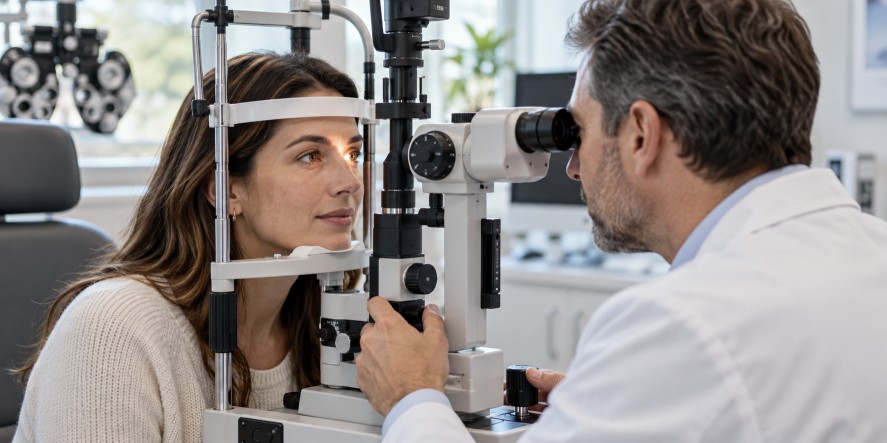
Regular eye examinations are crucial for maintaining healthy eyes, even if your vision seems clear. Some eye conditions can develop without noticeable symptoms in their early stages, making routine check-ups essential for early detection and prevention of more severe issues.
Retinal conditions such as diabetic retinopathy and age-related macular degeneration can progress silently before any vision impairment is noticed. Those with diabetes and older adults are particularly at risk and should consult with eye-care professionals to determine suitable screening schedules.
The retina contains delicate blood vessels and tissues vital for vision, and changes in these structures might occur unnoticed initially. Diabetes can compromise the small blood vessels in the retina, while aging can elevate the risk of conditions affecting central vision. Therefore, routine eye exams can identify potential problems before they advance.
While some retinal conditions may initially be symptom-free, certain visual changes should not be ignored. These include the sudden appearance of new floaters, flashes of light, blurred or distorted vision, dark spots, or a shadow across your sight. Sudden changes in vision warrant immediate medical attention.
A standard vision test primarily measures clarity of sight, but a comprehensive eye examination can provide a more thorough assessment of the retina and other internal eye structures. Depending on individual factors such as age and medical history, an eye specialist might recommend a dilated retinal examination or retinal imaging.
To better care for your eyes, individuals with diabetes should discuss appropriate retinal screenings with their healthcare provider, and older adults should adhere to regular eye-care appointments as advised by professionals. Importantly, do not wait for blurry vision to address eye health. Regular check-ups, awareness of warning signs, and seeking timely medical advice are key to long-term vision protection.