
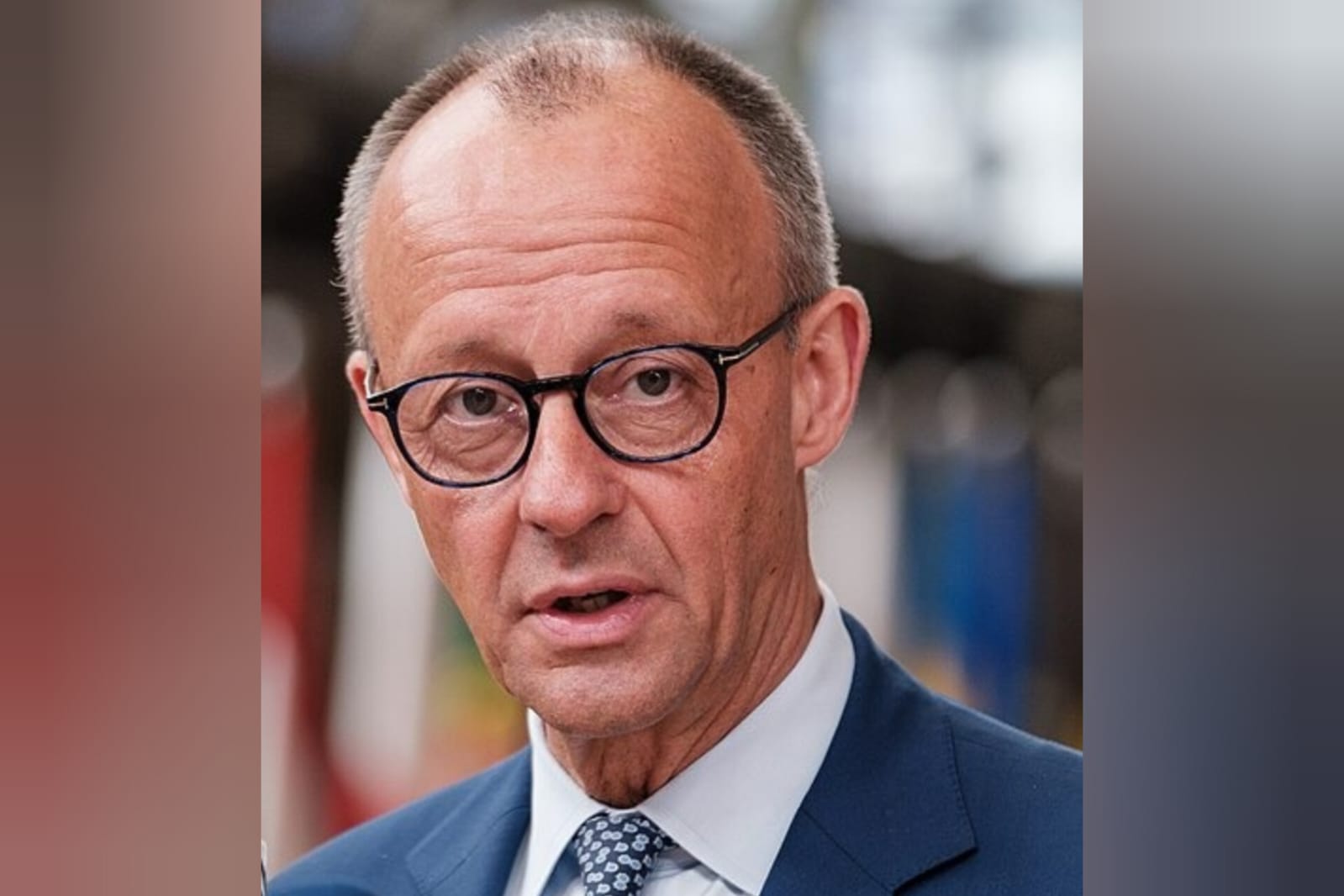
German Chancellor Friedrich Merz has found himself at odds with Donald Trump over the Iran conflict and has recently expressed concerns about the current social climate in the United States. Speaking at a conference for young Catholics in Würzburg, Merz, known for his transatlanticist views, expressed reservations about the U.S. as a land of opportunity. He advised his children against seeking education or employment in the U.S., citing the rapidly changing social environment in the deeply polarized nation. At 70, Merz, a father of three, remarked that even the well-educated in America are struggling to find employment.
In contrast, Merz urged Germans to remain optimistic about their own country’s potential, cautioning against adopting a pessimistic view of the world. He emphasized that few countries offer as much opportunity as Germany, especially for the youth. His comments about the U.S. elicited a strong reaction from Trump’s supporters. Richard Grenell, a Republican foreign policy adviser and former ambassador to Germany under Trump, criticized Merz on social media, accusing him of inconsistency and being influenced by the German media. Grenell pointed out that Merz had been complimentary during his recent meetings with Trump.
The controversy also drew attention from Alice Weidel, leader of the far-right Alternative für Deutschland party, which has garnered support from Trump’s Maga movement. Weidel criticized Merz for warning against traveling to the U.S. due to its political climate, suggesting that he is leading Germany towards its own social and economic challenges. The tensions between the U.S. and its European allies have been exacerbated by disagreements over trade and military aid for Ukraine, stressing the NATO alliance.
Merz faces challenges in revitalizing Germany’s sluggish economy and has cited the repercussions of U.S.-Israeli military actions in Iran, particularly the closure of the Strait of Hormuz, as detrimental to European interests. His recent remarks, suggesting that the U.S. was being “humiliated” by Iran, sparked further discord with Trump. In response, the U.S. announced a partial troop withdrawal from Germany and increased tariffs on EU car imports, a critical sector for Germany’s economy.
Despite these tensions, Merz has reiterated his commitment to maintaining the transatlantic relationship, refusing to retract his criticisms of Trump. He recently communicated with Trump via telephone, discussing matters concerning Iran, Ukraine, and the upcoming NATO summit in Ankara. Merz reaffirmed the strong partnership between the U.S. and Germany within a robust NATO framework.