
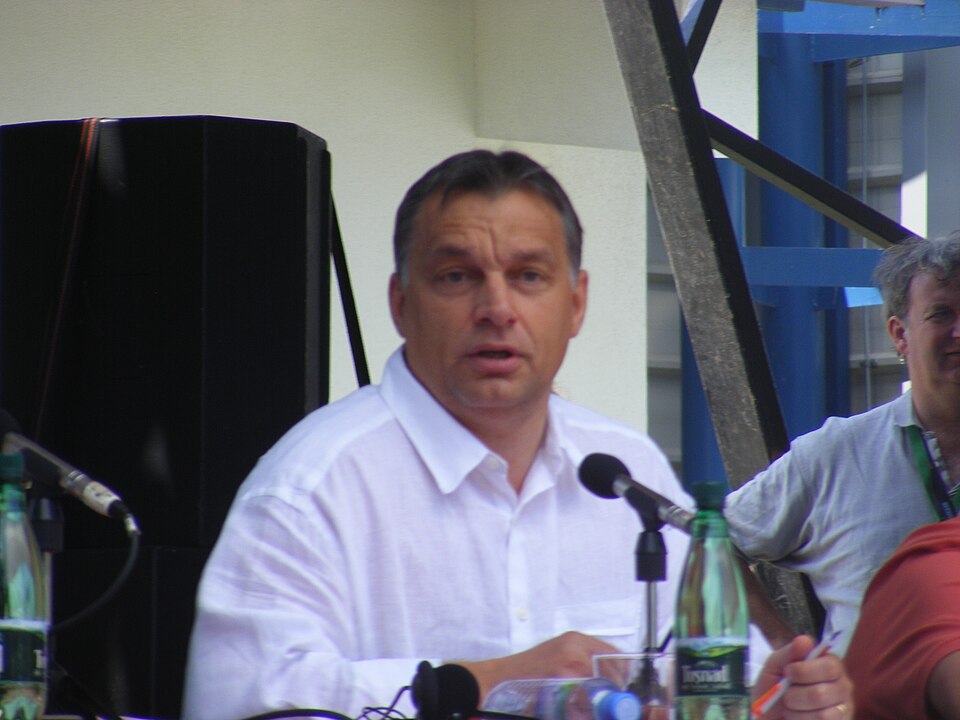
Viktor Orbán, a prominent figure in Hungarian politics, has justified his administration’s frequent use of veto power within the European Union. At a global press briefing in Belgium, he elaborated on his standpoint, framing it as a counteraction to what he perceives as undue political pressure emanating from Brussels. Orbán emphasized his commitment to bolstering conservative and sovereigntist ideologies throughout Europe.
Despite setbacks in elections, Orbán asserted that nationalist and anti-immigration parties are on the rise. He attributed this momentum to widespread discontent with the European Union’s strategies regarding security, migration, economic competitiveness, and the ongoing conflict between Russia and Ukraine. Orbán’s comments reflect a broader trend of growing support for movements critical of the EU’s current policies.
Addressing financial disputes with the EU, Orbán recounted how his previous administration viewed the suspension of funds as a tactic of political pressure. In response, they threatened to obstruct crucial EU resolutions, including the approval of the union’s forthcoming seven-year financial plan. He advocated that Hungary should persist in utilizing its veto power to ensure the country receives the funds it believes it rightfully deserves.
Orbán also spoke out against the EU’s funding mechanisms that tie financial aid to political and legal prerequisites. He argued that these conditions could be exploited for political maneuvering against member states in the future. His criticism highlights ongoing tensions around the EU’s approach to governance and financial oversight.
Looking forward, Orbán projected that conservative and nationalist parties will continue to gain traction across Europe. He posited that center-right parties will eventually face a critical choice: align with the left or pursue stronger coalitions with right-wing factions. Orbán’s vision suggests a shifting political landscape where alliances may need to be re-evaluated to reflect changing dynamics within Europe.