
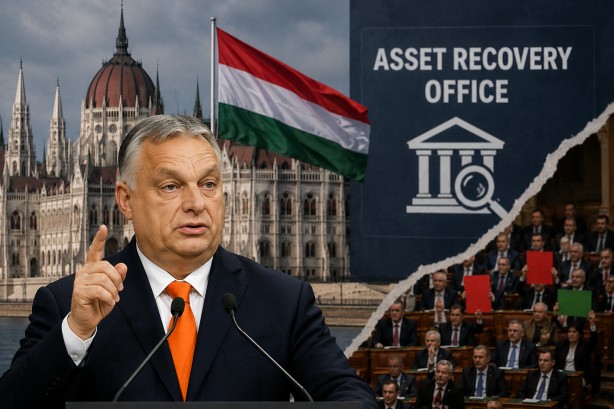
In a significant move aimed at addressing concerns over public asset management, Hungary’s Parliament has given the green light to establish the National Asset Recovery and Asset Protection Office (NVVH). This new agency is set to delve into allegations of asset mismanagement and unlawful transfers that reportedly occurred under prior administrations. The legislation’s approval, backed by the ruling TISZA Party along with the opposition Our Homeland Movement, faced opposition from FIDESZ lawmakers, who cast dissenting votes.
The creation of the NVVH has ignited a heated political debate within Hungary. Critics have voiced apprehensions about the agency’s far-reaching investigative and prosecutorial authority, warning that such powers might be wielded for political advantage. Concerns have also been raised regarding the potential erosion of judicial oversight and due process, with fears that the agency could be utilized to target political adversaries under the guise of asset recovery.
Proponents within the government argue that the establishment of the NVVH is a crucial step forward in bolstering anti-corruption measures and ensuring greater accountability in how public assets are handled. They assert that this new office will play a pivotal role in safeguarding state resources and enhancing transparency in asset management practices.
On the other side of the aisle, opposition lawmakers caution that the extensive powers vested in the NVVH could be open to abuse. They emphasize the risk of political targeting and the potential undermining of legal protections, which they believe could compromise the fairness and impartiality of the judicial process. These concerns highlight the delicate balance between enforcing accountability and preserving democratic principles.
As the NVVH begins its operations, the spotlight remains on how effectively it will navigate these challenges. The debate over its role and reach underscores the broader conversation around governance, transparency, and the rule of law in Hungary, reflecting the complexities of creating mechanisms to combat corruption while ensuring they do not become instruments of political influence.