
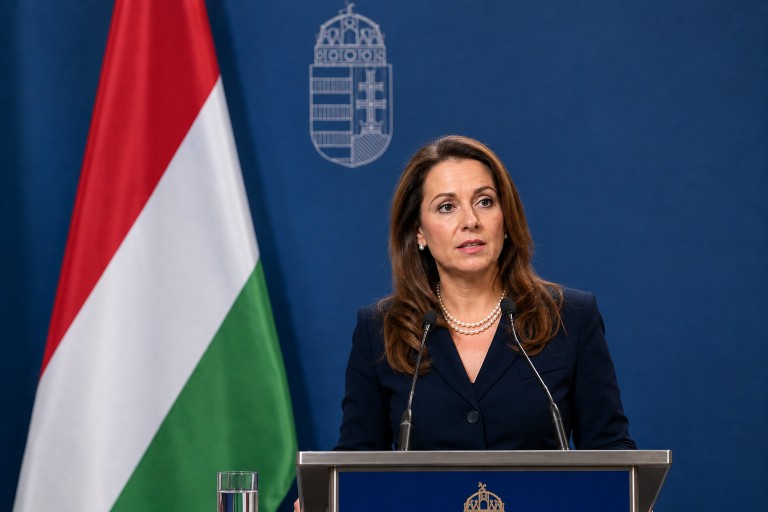
In the initial 100 days of her term, Hungary’s Foreign Minister Anita Orbán has been under scrutiny, with critics suggesting that her efforts have been more focused on enhancing the ministry’s image rather than achieving substantial diplomatic outcomes. The period has been marked by several significant challenges, such as an energy crisis, severe drought, and record low water levels in the Danube River. Observers have raised concerns about the government’s response, arguing that these issues necessitate a more robust international approach.
The Foreign Ministry’s handling of a situation involving Hungarian tourists stranded in Sicily has also drawn criticism. Following the eruption of Mount Etna, which led to flight cancellations, there was dissatisfaction with the level of support provided by Hungary’s diplomatic mission to its citizens. This incident has further fueled debates about the effectiveness of the ministry’s crisis response and international coordination.
During this period, the ministry made notable personnel changes, dismissing 62 ambassadors and mission chiefs in two separate rounds. Critics have voiced worries that such extensive reshuffling could disrupt the operations and effectiveness of Hungary’s diplomatic network, potentially hindering the country’s ability to manage its foreign relations effectively.
Meanwhile, Orbán has initiated a communications campaign aimed at showcasing the ministry’s activities and diplomatic facilities. Despite these efforts, detractors argue that the first 100 days have delivered limited substantive progress toward advancing Hungary’s foreign policy goals and national interests.